
Recently, we saw that Shodan released a new tool that tracks the location of VSAT systems exposed to the Internet. These systems are typically installed in vessels to provide them with internet connectivity while at open sea.
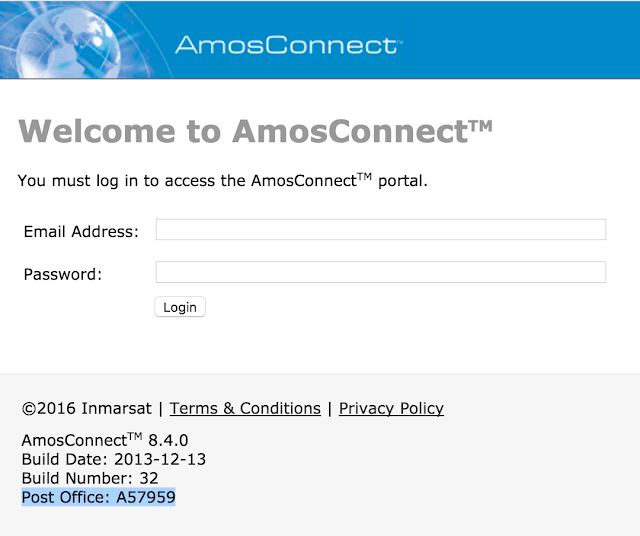
The maritime sector makes use of some of these systems to track and monitor ships’ IT and navigation systems as well as to aid crew members in some of their daily duties, providing them with e-mail or the ability to browse the Internet. Modern vessels don’t differ that much from your typical office these days, aside from the fact that they might be floating in a remote location. Satellite connectivity is an expensive resource. In order to minimize its cost, several products exist to perform optimizations around the compression of data while in transit. One of the products that caught our eye was AmosConnect. AmosConnect 8 is a platform designed to work in a maritime environment in conjunction with satellite equipment, providing services such as:
- Instant messaging
- Position reporting
- Crew Internet
- Automatic file transfer
- Application integration
We have identified two critical vulnerabilities in this software that allow pre-authenticated attackers to fully compromise an AmosConnect server. We have reported these vulnerabilities but there is no fix for them, as Inmarsat has discontinued AmosConnect 8, announcing its end-of-life in June 2017. The original advisory is available here, and this blog post will also discuss some of the technical details.
Blind SQL Injection in Login Form A Blind SQL Injection vulnerability is present in the login form, allowing unauthenticated attackers to gain access to credentials stored in its internal database. The server stores usernames and passwords in plaintext, making this vulnerability trivial to exploit. The following POST request is sent when a user tries to log into AmosConnect
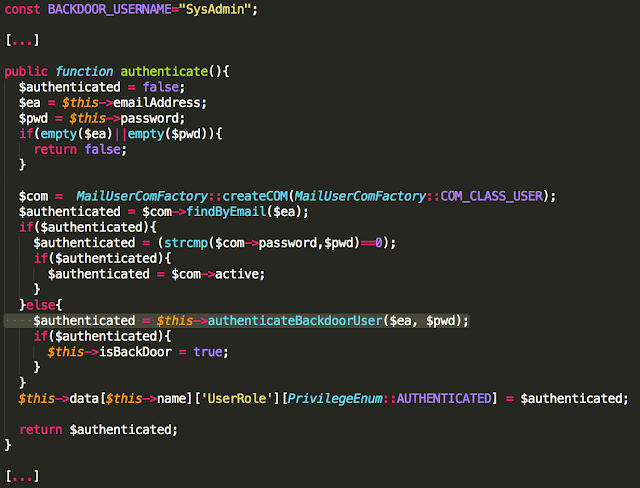
The parameter data[MailUser][emailAddress] is vulnerable to Blind SQL Injection, enabling data retrieval from the backend SQLite database using time-based attacks. Attackers that successfully exploit this vulnerability can retrieve credentials to log into the service by executing the following queries: SELECT key, value from MOBILE_PROPS WHERE key LIKE ‘USER.%.password’; SELECT key, value from MOBILE_PROPS WHERE key LIKE ‘USER.%.email_address’; The authentication method is implemented in mail_user.php:
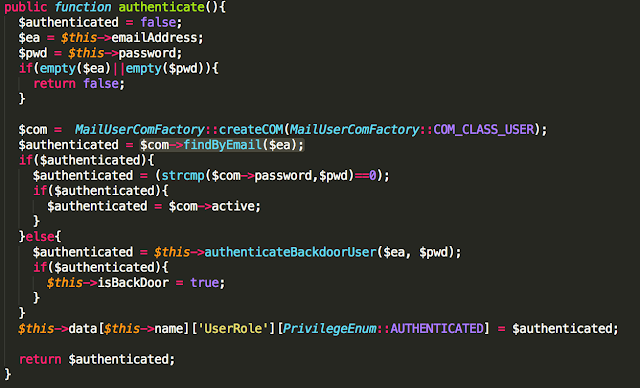
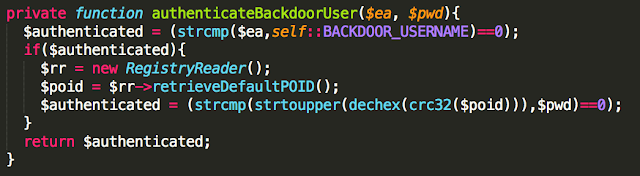
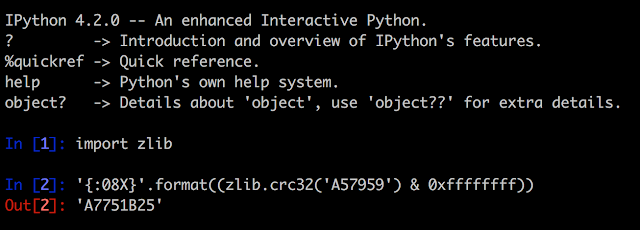
Privileged Backdoor Account