

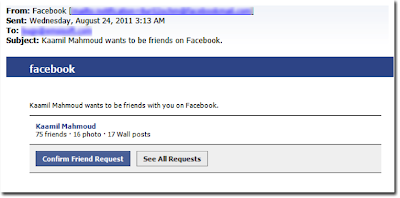
- · Facebook invite
- · Twitter invite
- · Linkedin Invite
- · Mail cannot be delivered.
- · Etc.
- · Virus Found
- · Compliance updates
- · Popular thread in the news.
- · Etc.
Needs or Likes Templates:
- · Win an iPad.
- · Internships or new internal available positions.
- · General Company party.
- · New Corporate discounts.
- · Etc.
- · Latest financial data
- · Layoff for next month
- · Internal memorandum.
- · Etc.
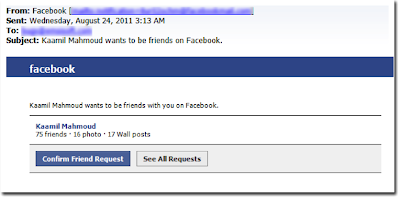
Once we have a target list (emails, names, etc.) and a ruse, we need to begin gathering information about the internal network and infrastructure from within. One possible way of doing this is by sending one or more rounds of emails using specially crafted html templates consisting of several image tags pointing to different ports, as it is shown on the figure below.

Once we have a list of ports we want to scan from an internal perspective, we do not need to generate the entire list. EMaily will automatically generate the list and populated with the corresponding email using the template system as it is shown on the following code snippet, by simply using the %%payload[port 1, … ,port n]%%
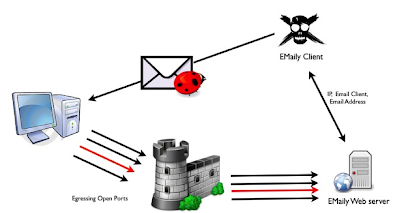
You may ask, “but what is to gain from generating this random set of images?” The short answer is lots of information. We will not only be able to confirm that the firewall in the company we are trying to attack is not properly filtering the particular port, but also whenever an application makes an HTTP request, it sends lots of useful information back to the attacker.
This is part three of a four-part social engineering post. The next and final entry will discuss compromising machines.